
South Head Sydney and the Origins of Watsons Bay
The year 1788 brought to Sydney Cove the first Europeans to settle in Australia, under the command of Governor designate Arthur Phillip. Leaving Botany Bay he sailed past South Head into Port Jackson, camped the night at the future Watsons Bay, and proceeded up the harbour the next day to establish the town of Sydney. South Head and the area of Watsons Bay would then play a major role in the new colony. Here was the home of a Lookout and Signal Station (still operating today) to alert incoming ships to the location of the town and townsmen to the imminent arrival of vessels. Here too was the location of the first lighthouse in Australia. The first settlers returned to Watsons Bay for recreation, as they do today, and convicts escaping the penal colony by boat had to slip past South Head at night. This short illustrated survey of one of the most historically significant places in Australia examines its Aboriginal heritage, its multiple roles in the early colony, and its development for military defence, as a pilot station, and to adapt to the needs of a growing and diverse community.
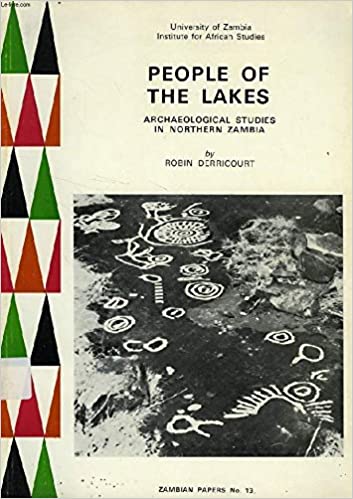
People of the Lakes
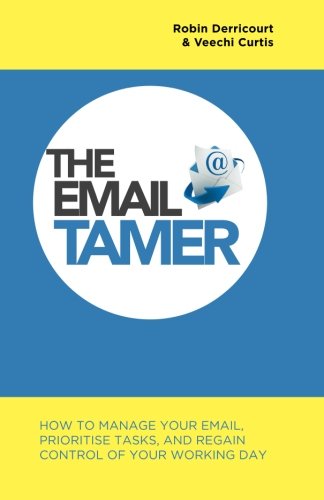
The Email Tamer
The Email Tamer provides a concise handbook and guide on to how to manage your emails and regain control or your working life. It shows why the principles of time management are so interconnected with how you manage your Inbox. Contents include guidelines on how to use your email as a way to prioritise tasks and be more productive; how to search through emails, organise emails and back up emails; the best way to deal with emails when away from the office; and how social media and e-marketing create unique challenges in regards to email management. This non-technical and readable guide is ideal for anybody serious about improving the quality and productivity of their working life.

Man on the Kafue
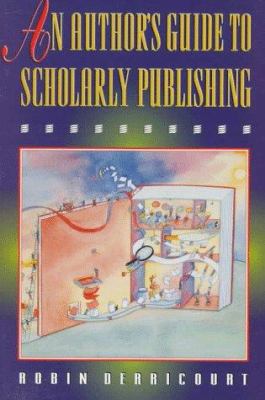
An Author’s Guide to Scholarly Publishing
Directed specifically to the needs of academic authors, this realistic handbook is a guide to publishing success for both beginning and seasoned scholars. Robin Derricourt uses an immensely readable series of informal letters to provide a fund of practical advice: an up-to-date manual on how to plan and prepare a book, approach a publisher, secure a contract, and build a reliable author-publisher relationship that will last throughout the process of publication and marketing. Informed by rare common sense, and a sense of humor, the book speaks clearly about the most recent developments in the rapidly changing world of electronic publishing, clarifying what can and cannot be achieved with word processors. From the possible negative responses of a publisher to the questions implied by success–new editions and subsidiary rights–An Author’s Guide to Scholarly Publishing is indispensable reading for academics in every field.
 Robin Derricourt, Author